Service 04 / 07
AI agents and LLM apps: RAG, structured outputs and document automation
Assistants that save your team hours.
Large language models are good at reading and writing, but on their own they don't know your documents, can't act in your systems and don't return data in a shape your software can trust. That is the engineering we do.
Who it’s for
Is this you?
- Companies with large document sets (policies, contracts, manuals, wikis) that staff search all day.
- Operations teams processing invoices, forms or emails by hand.
- Product teams adding an AI assistant or copilot to their own software.
What you get
Here’s what’s included.
- 01RAG knowledge assistants
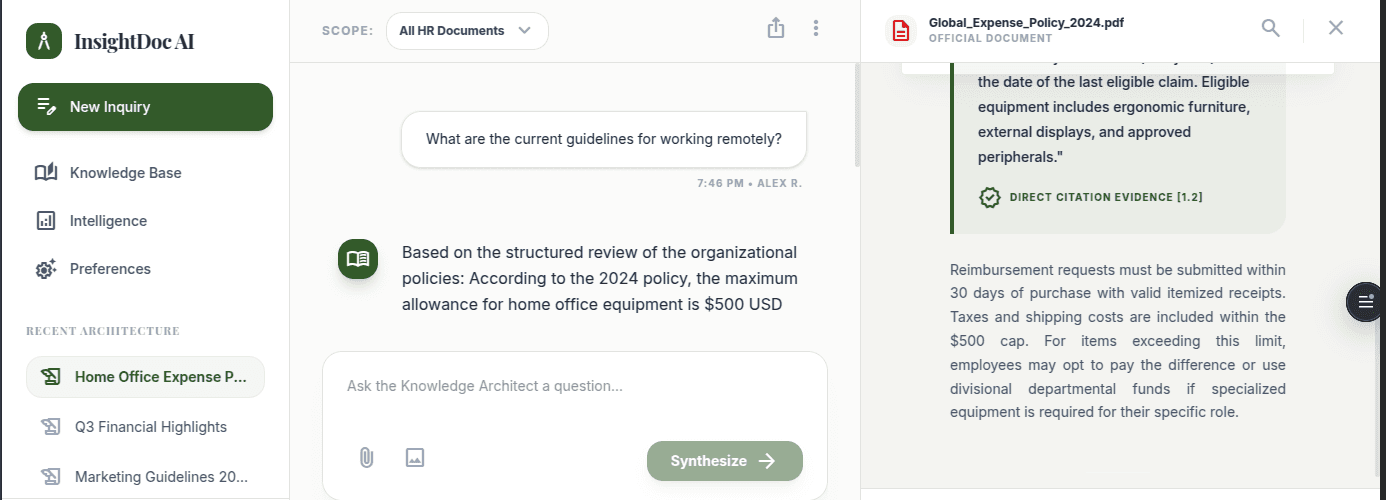
Your PDFs and wikis indexed, searched in natural language, and answered with citations back to the source.
- 02Structured outputs
Documents and messages turned into fields (for example an invoice's supplier, dates and totals) validated against Pydantic schemas before they reach your systems.
- 03Document automation
Extraction on the way in, and PDF or Word generation on the way out.
- 04Agents with tools
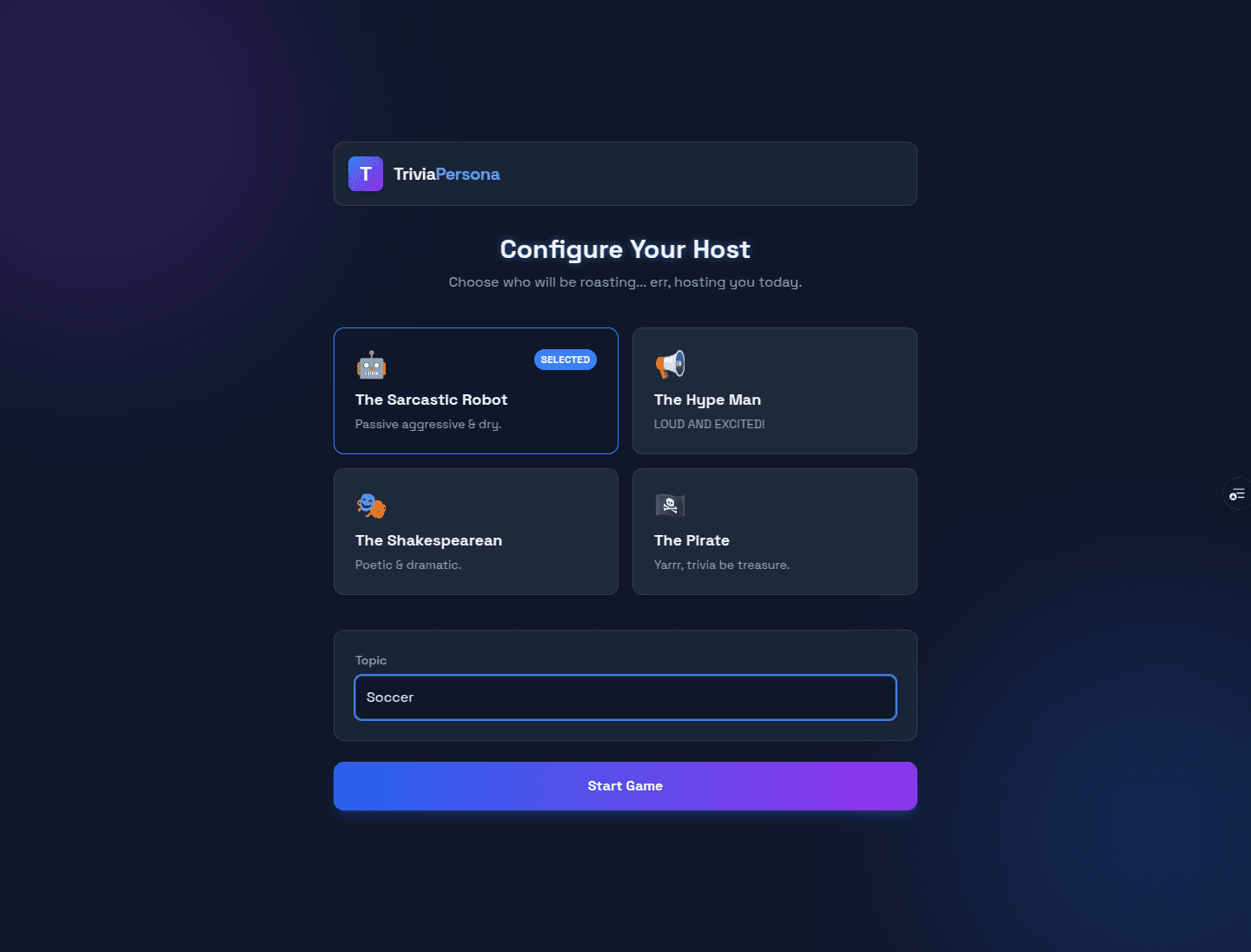
Assistants that look things up and take actions in your systems, with a human approval step where a mistake would be costly.
- 05AI inside your product
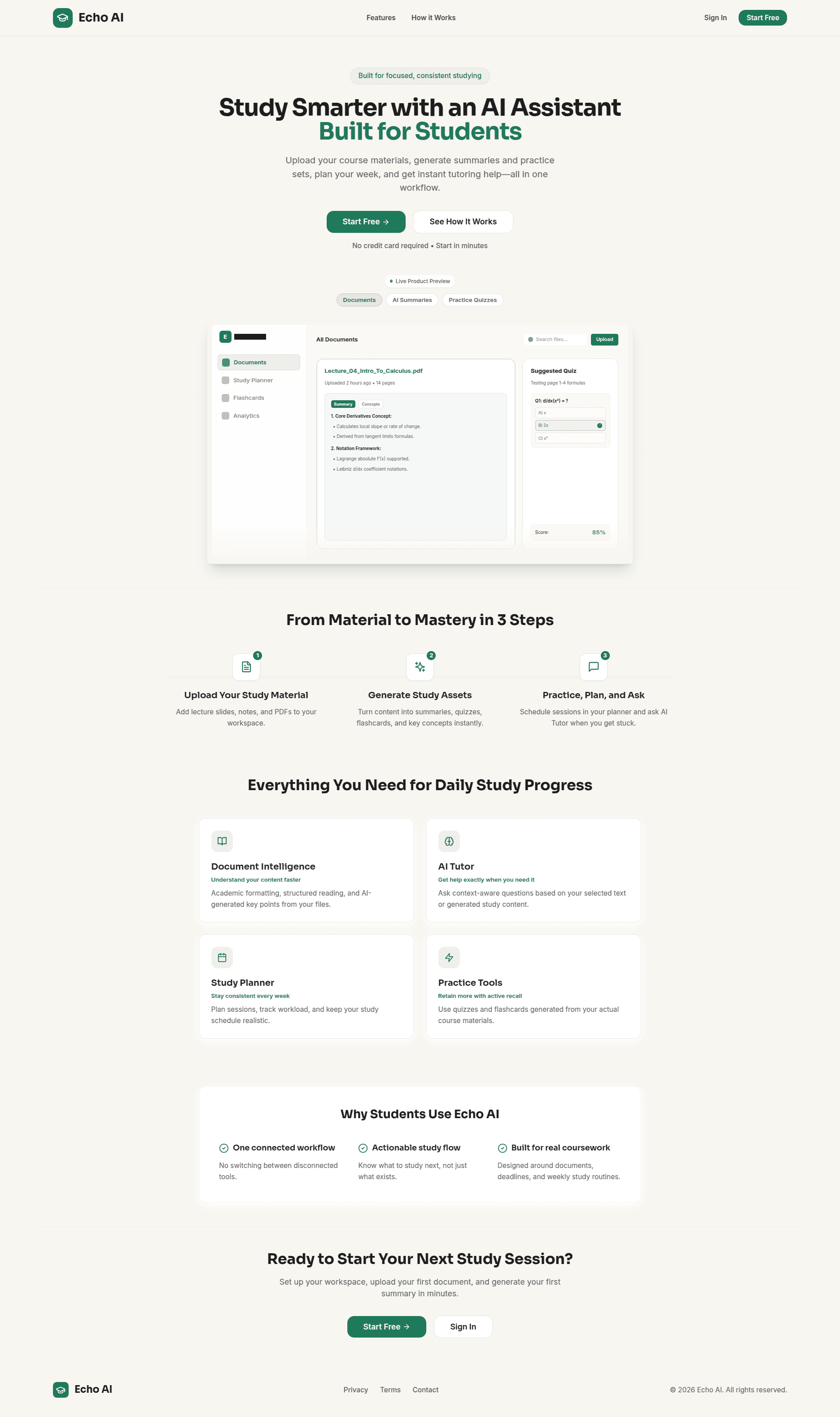
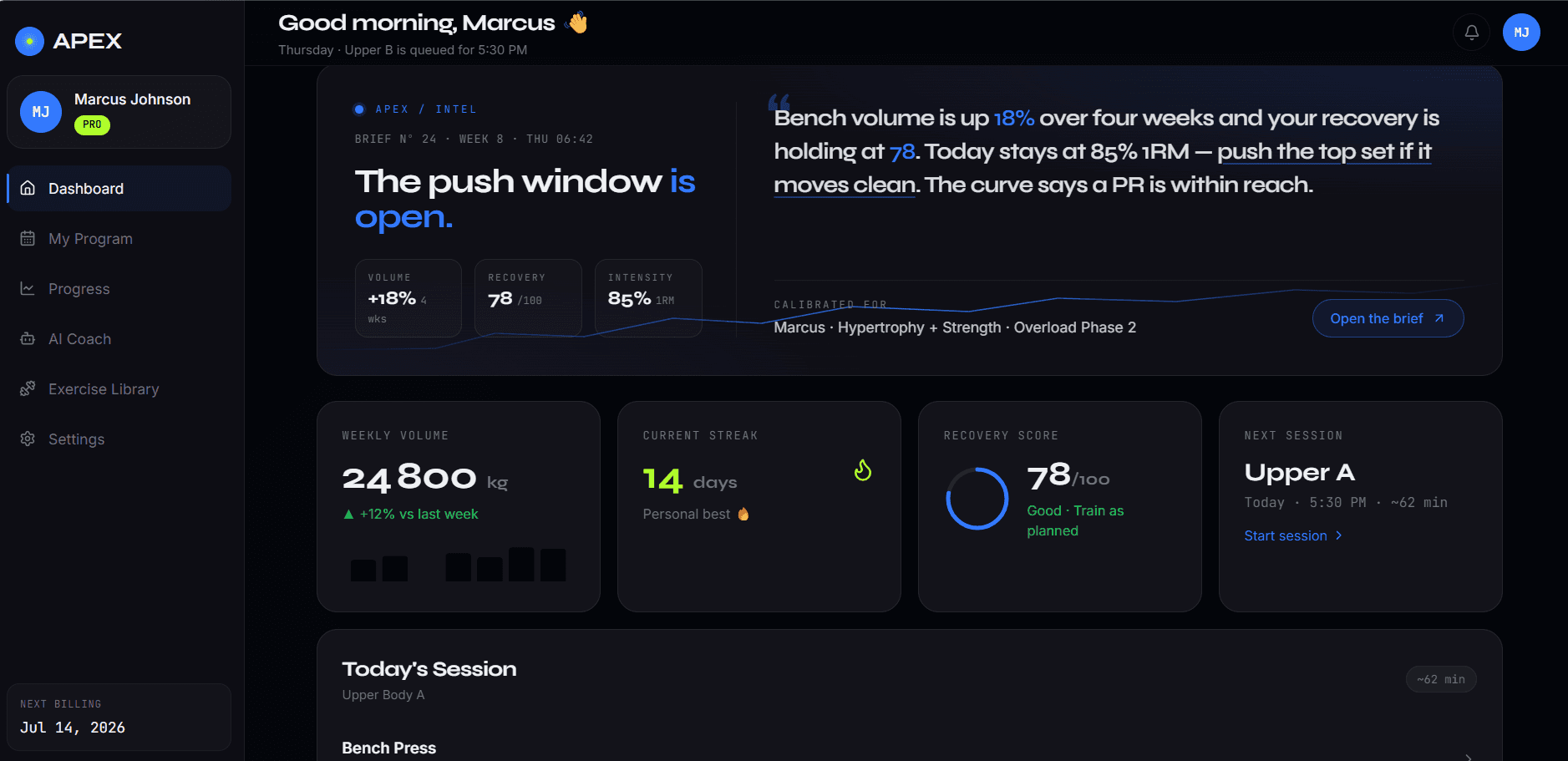
Copilot features such as a tutor that knows the user's material or an assistant inside an operations platform.
How it works
5 steps. No surprises.
We build retrieval (RAG) so answers come from your own documents with sources, structured outputs so AI results land in your database as validated fields, and agents that call your tools with approval steps where needed.
- 1Discovery call
Free, 30 minutes: the documents, the questions and the systems involved.
- 2Proposal in 12 hours
Scope, timeline and a fixed quote.
- 3Data and retrieval
Ingest and index the sources; decide what the AI may and may not access.
- 4Build on staging
The assistant or pipeline on a staging link, tested on your real documents, with human review set up for low-confidence results. Weekly check-in call.
- 5Launch and support
30 days of bug fixes included, then an optional maintenance plan.
LLM apps we built
Tools we use
- OpenAI API
- Claude API
- Pydantic
- LangChain
- Vector database
- Python
- React
- Supabase
Questions
Questions? Straight answers.
Ask me directly on a free 30-minute call.
Book a call →RAG or fine-tuning?
For answering from business documents, retrieval (RAG) is usually the right start: documents can change without retraining, and every answer can cite its source. Fine-tuning is for changing how a model writes or behaves, not for teaching it your facts.
Can answers cite their sources?
Yes. A RAG assistant can return the passages and documents each answer is based on, so people can check it.
OpenAI or Claude?
We use both through their APIs and choose per task, based on output quality, cost and data requirements.
What happens when the AI is unsure?
Low-confidence results are routed to a person for review instead of being passed on automatically.
How is access to our data controlled?
The AI only reaches the sources and systems you approve. Credentials are kept in an encrypted password manager, access is least-privilege, and all access is removed at handover.
Keep exploring
Other services
- MVP developmentTest your idea with real customers, fast.→
- SaaS developmentSoftware your customers pay for monthly.→
- AI implementationAI where it saves your team real hours.→
- Workflow automationBusywork that runs by itself.→
- Mobile app developmentiPhone and Android apps from one codebase.→
- Software maintenanceWe keep it running and improving.→
Now booking new projects
One 30-minute call. You get a plan, a timeline and a fixed quote within 12 hours.
Book a free call→